
Ants
During the process of moving into our temporary housing in California, we discovered to our shock that we were sharing the town house. There is construction going on in the area and the workers seems to have upset a fairly large ant colony and the ant colony has decided to move into a nice three be

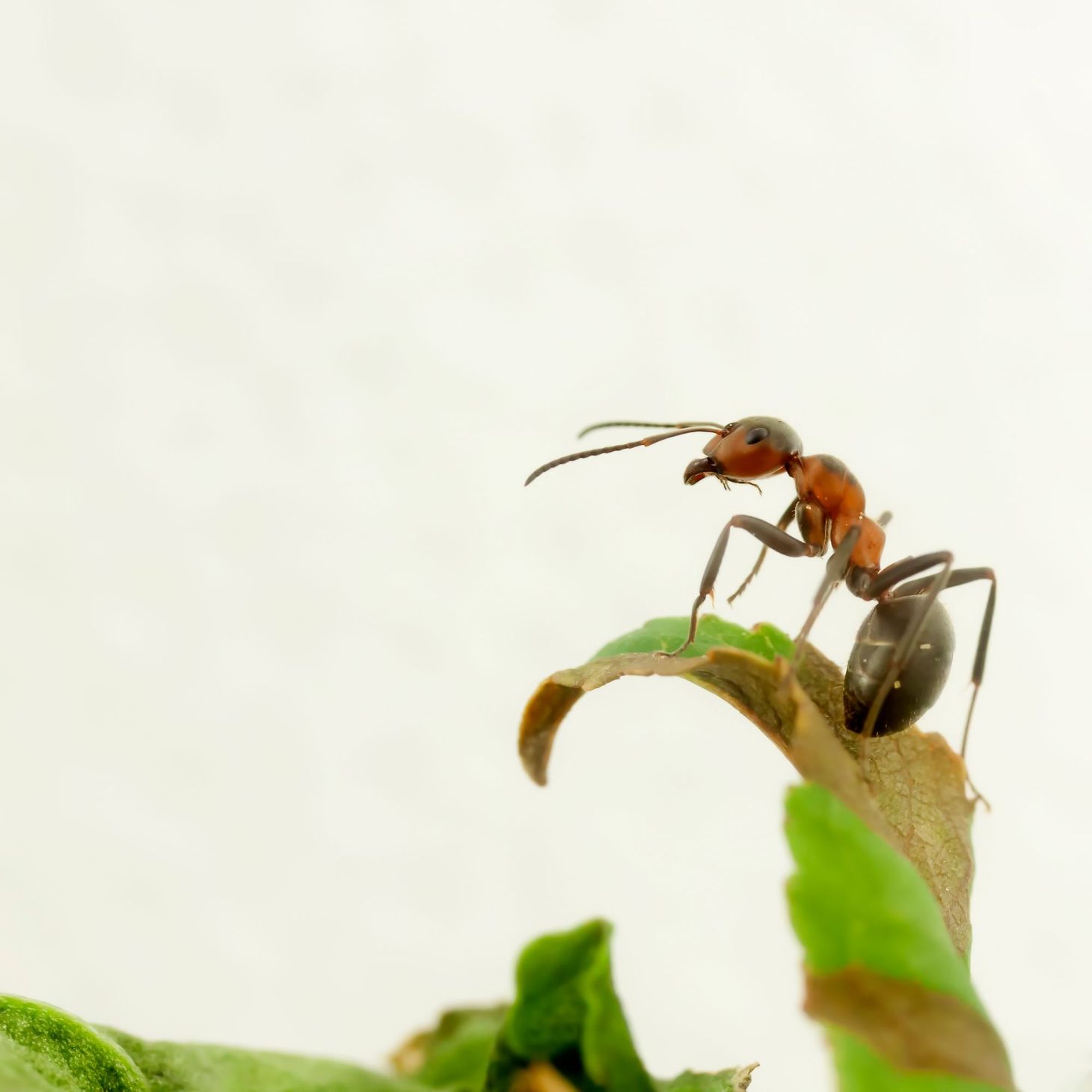
During the process of moving into our temporary housing in California, we discovered to our shock that we were sharing the town house. There is construction going on in the area and the workers seems to have upset a fairly large ant colony and the ant colony has decided to move into a nice three bedroom. As I was setting in the kitchen, I could watch the ants all line up and follow each other from corner of the kitchen to the other corner. Each ant blindly following the one in front.
As I sat there, I realized that it's the same in business. If someone in the industry “sounds” like they know the answer, everyone lines up and begins to follow them … even over a cliff.
That reminded of me of story I heard about William Beebe. He was an American naturalist who came upon a strange site during his research in the Guyana jungle. A group of army ants were moving in a huge circle. The circle was 1,200 feet in circumference, and it took each ant two and a half hours to complete the loop. The ants went around and around the circle for two days until most of them dropped dead.
What Beebe saw was what biologists call a “circular mill”. The mill is created when army ants find themselves separated from their colony. Once there’re lost, they obey a simple rule: follow the ant in front of you. The result is a mill, which usually only breaks up when a few ants straggle off by chance and the others follow them away.
As in business, for the most part, risk-adverse people slavishly fall in line assuming that the “herd” knows best. While watching my own ants, there were a few “wild ones” – you know they type. The ones that simply don’t follow the rules and instead go off and roam around looking for an adventure.
As in an ant mill, it was the ants that wandered off that survived. If a wanderer could attract others, then that one long adventurer could save the colony.
Are you a follower of the herd or are you a wanderer that will save the ant colony (business) from itself?