
Blog
Innovation's Underground Economy
Your innovation process is the problem, not the solution. The more you formalize creativity, the faster it disappears into the shadows. The question isn't whether your organization has an innovation underground—it's whether you have the courage to see it, embrace it, and harness its power.

Train Your Brain to Outthink AI: Boost Creativity 40% (2025)
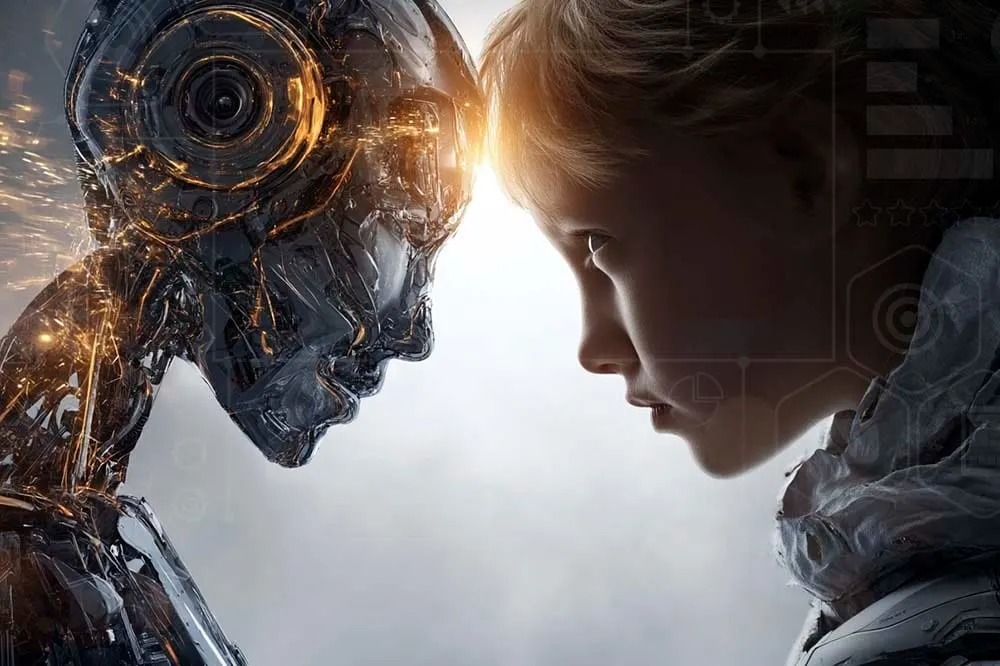
Harvard neuroscientists confirm: creative thinking uses neural pathways that AI can't replicate – and never will. Hello, I'm Phil McKinney, and welcome to my innovation studio. Welcome to Part 2 of our series, Creative Thinking in the AI Age – on strengthening your uniquely human creativity while using
The Courage to Create Nothing
Standing still in a rushing world isn't weakness—it's strategic wisdom. True visionaries master the art of saying no when innovation becomes an end rather than a means.

Your Brain on AI: The Shocking Decline in Creative Thinking (2025)
Our ability to solve complex problems without AI has plummeted 30% in just five years. That's not just a statistic – it's the sound of your brain cells surrendering. We are announcing a new series we are calling – Creative Thinking in the AI Age – on strengthening your

The Five Questions That Unlock Breakthrough Innovation
In 2007, two designers struggling to pay rent in San Francisco had a seemingly simple thought: "What if people could rent out their spare rooms to travelers?" This question—posed by Brian Chesky and Joe Gebbia—sparked what would become Airbnb, a company now valued at over $100

Original Ideas Don't Exist
Innovation happens at the intersection of existing knowledge, challenging the notion that anyone truly creates rather than connects what came before.

The Innovation Crisis: How We're Stifling Our Children's Creative Potential—And How to Set It Free
A 12-year-old entrepreneur highlights the gap between education and innovation. What happens when we value answers over inquiry, and how might we unlock our children's natural creative abilities?

How to Improve Your Strategic Thinking Skills
While most people scramble to adapt when the unexpected happens, a select few are already three steps ahead. They saw the change coming, prepared for it, and positioned themselves to benefit. Their secret weapon? Strategic thinking. By the end of this episode, you'll master 6 powerful strategic thinking

5 Critical Thinking Skills for Digital Literacy: Spotting Misinformation & Manipulation
Your phone pings. A bold headline lights up your screen. A friend shares a "must-see" video. But how do you know what's real? In today's hyperconnected world, critical thinking skills are no longer optional. They're essential tools for digital literacy—your

The 36-Hour Lesson: When Reliability Made My Innovation Career
The flashiest ideas don't change the world—follow-through does. While we worship creative geniuses, reliable warriors who execute transform industries.