Education And Innovation
On my flight back to the US yesterday, I was reading the Wall Street Journal Europe and came across an editorial piece by Michael Bloomberg, the Mayor of New York City. In the editorial, Mayor Bloomberg takes the current education “industry” (if you could really call it that) to task … “For much of

“For much of the 20th century, the education level of America's work force was second-to-none. But others have caught up, and even moved past us. Now, unless we take bold action, we risk losing our competitive edge. The problem is not that AmericaU.S. auto industry in the 1970s — stuck in a flabby, inefficient, outdated production model driven by the needs of employees rather than consumers.” doesn't spend enough money on education — we spend enormous amounts, far more than any other nation. But we're not getting a sufficient return on our investment. The fact is, our education system looks a lot like the U.S. auto industry in the 1970s — stuck in a flabby, inefficient, outdated production model driven by the needs of employees rather than consumers.”
Albeit, the focus of his rant is aimed towards the US education system, I would argue that other countries are also at risk. He goes on to say ….“We can continue to invest enormous sums of money in this failing system — and remain like Detroit in the 1970s, slipping further and further behind our international competitors. Or, we can put our famous American ingenuity to work and build a better system — and become like Silicon Valley today, which is leading the world in innovation and technology.”
Now he is hitting the mark. For those of you who are regular listeners of my podcast, you know that this is one of my hot buttons.We have failed to recognize that teaching creativity and innovation to our students is just as important as reading and math.
What is wrong with the current education system?
- The current education system is stuck in “old think” about what will make the student successful. Namely, focus on left-brained (logic, rote memorization, etc.) teaching methods and careers. What was once thought of as leading jobs (lawyers, engineering, accountants, doctors) are all being off-shored.
- They grind out any form of natural student creativity by training the students to repeat back the answer the teacher wants to hear. The result is that we teach our students to act like robots under the control of the teacher.
- We focus on the basics such as reading, writing and math but ignore the fact that the emerging need is to train our students to win in the creative economy.
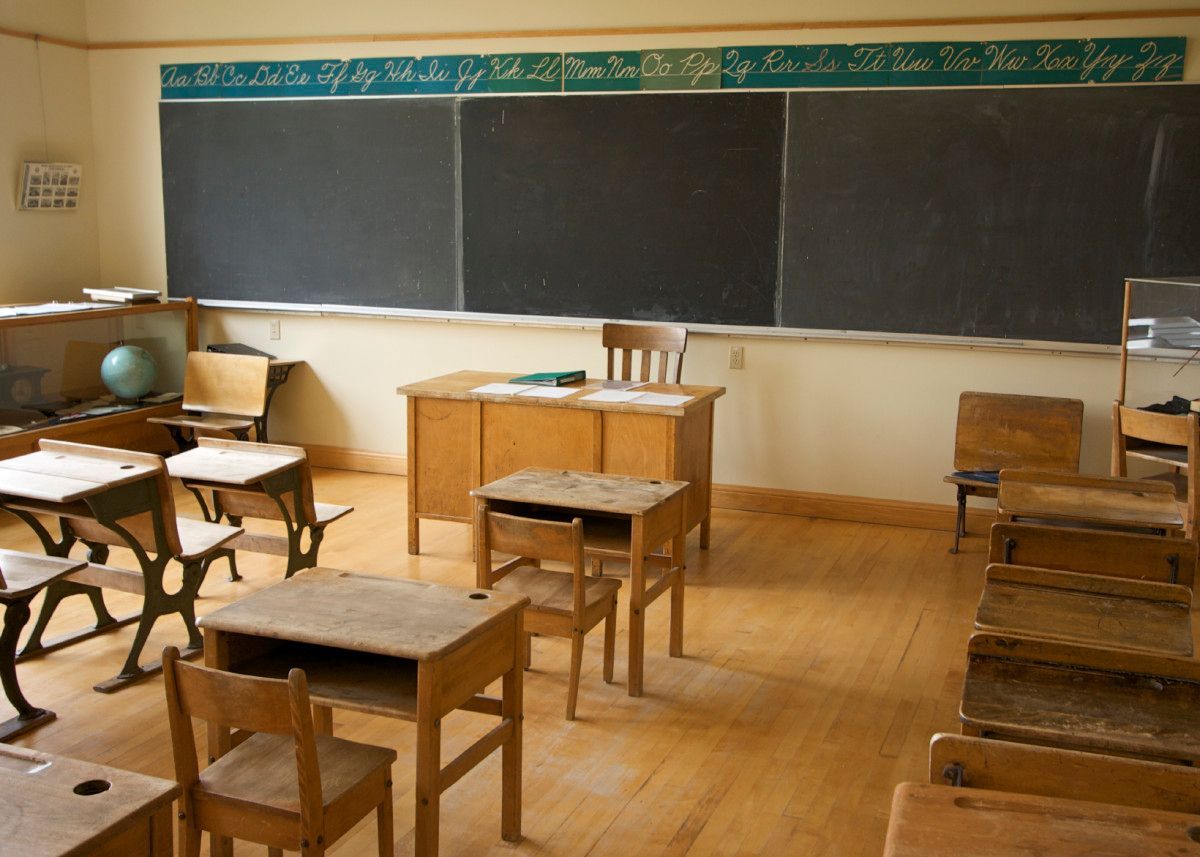
Flickr photo by willgame