
Walking The Plank
Imagine a long narrow wooden plank that is ten feet long and three feet wide. Place it on the ground. Can you walk on it? Of course. You can jump up and down, dance, and even walk along with your eyes shut. Now prop the plank up so that it is three feet off the […]

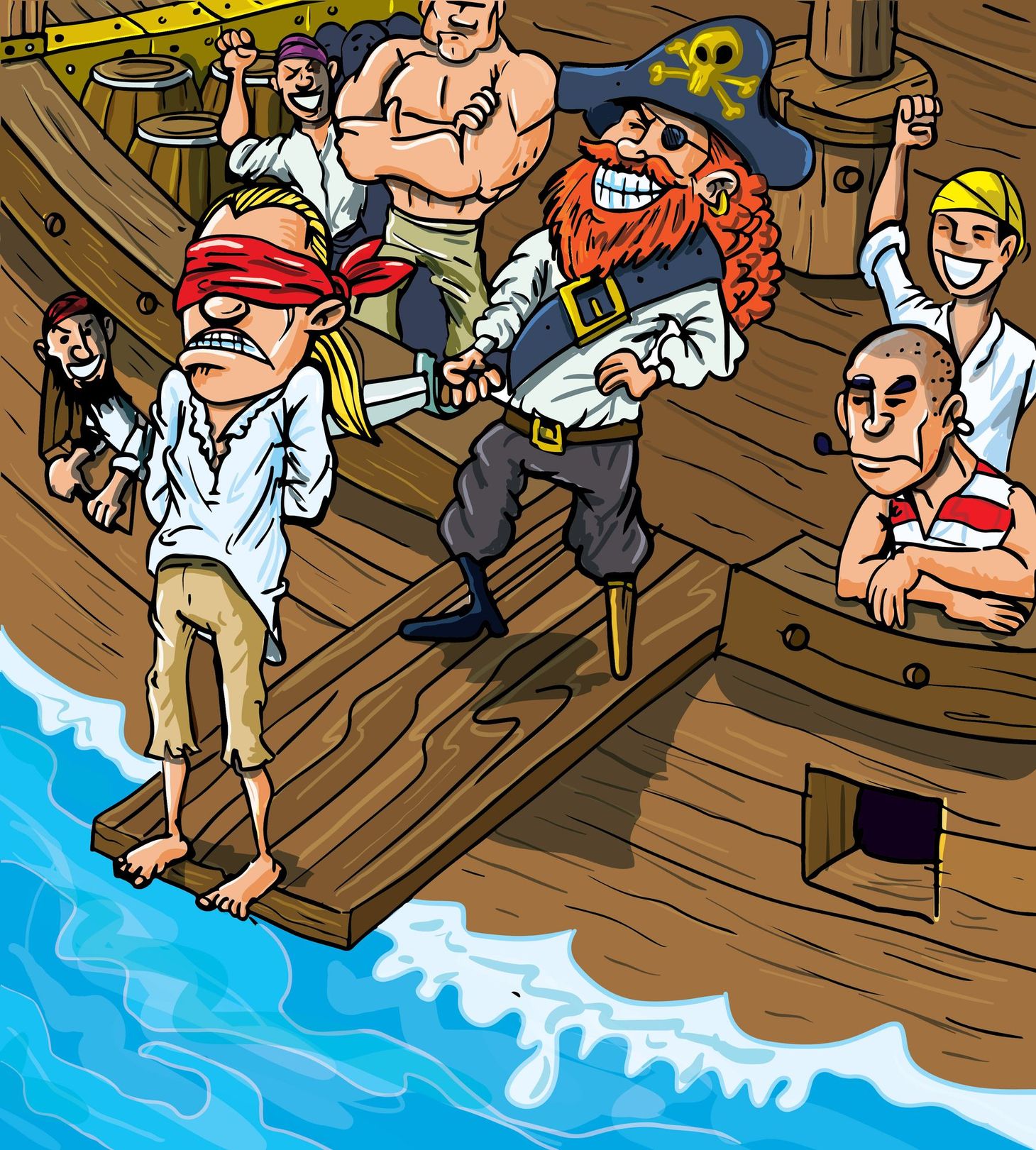
Imagine a long narrow wooden plank that is ten feet long and three feet wide. Place it on the ground. Can you walk on it? Of course. You can jump up and down, dance, and even walk along with your eyes shut. Now prop the plank up so that it is three feet off the ground. Can you walk on it? Yes, although your clearly more careful.
What if the plank were a hundred feet in the air? Most of us wouldn't dare go near it, even if the art of walking along it and maintaining balance should be just as easy as before.
How can a simple task (walking on the wooden plank while it was on the ground) suddenly become so difficult?
The same applies when we are asked to come up with a killer idea. The willingness of management to endorse killer ideas is based on the perceived risk. When the risk is large, fear suddenly kicks in and we take the “safe” route. Typically, recycling ideas that worked in the past which translates into “me to” innovations.
For this reason, the willingness to launch the next generation killer idea typically comes from the innovative companies where the “at risk” is much smaller compared to the existing market leaders.
This is what creates the opportunity for industry and technology disruptions.
The difference between the winner and the looser are the ones that overcome the fear of “risk” and walk the plank.