Skip to content

Interview with Jim Sutton about the First Touch PC

Phil McKinney
Phil McKinney
— 1 min read
Interview with Jim Sutton about the First Touch PC

This podcast is made possible by support from thenextbench.com and the Heritage of Innovation interview series.

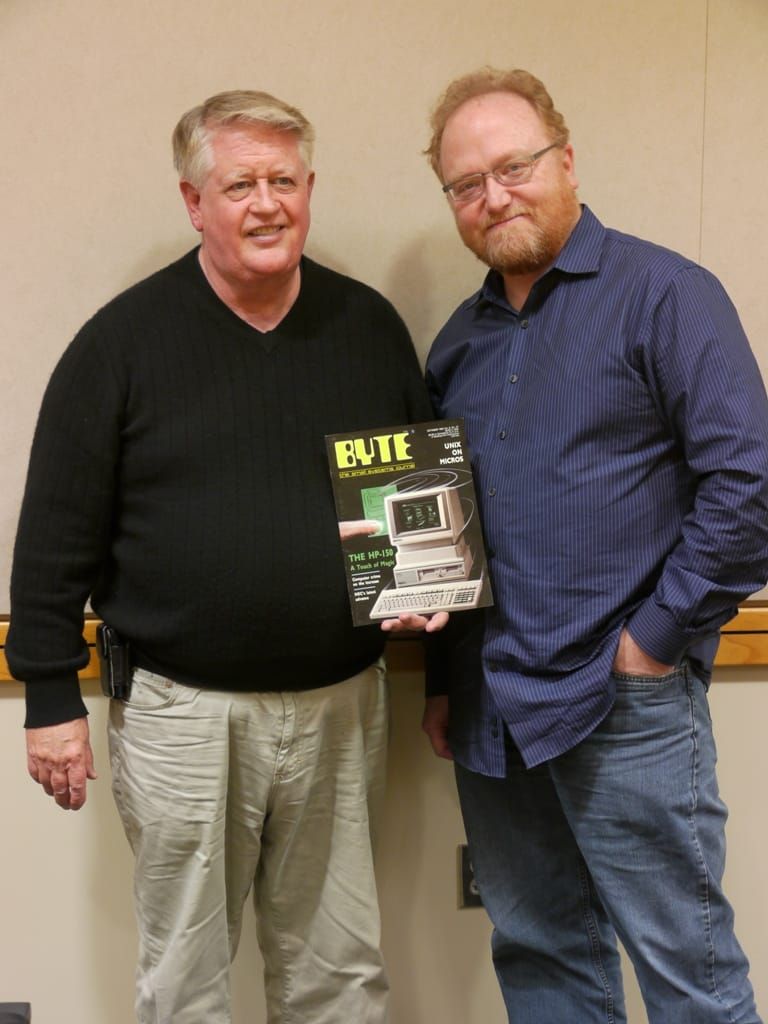
Many people think touch is a “new” thing as result of products introduced in the last few years.  In reality, touch is just one example of innovations building on top of previous innovations.  This weeks interview is with Jim Sutton.  Jim led the team that introduced the first touch PC in 1983!

As it normally goes, the interview gets off track and covers a wide range of topics including:

  • HP 150 and how the product came about
  • The creation of graphics user interfaces
  • The challenges of companies to innovate outside their core area of existing product and serivces
  • Advice for future innovators
  • Discussion on the team bonding experience and life after a market impacting innovation

For more information on the HP 150, visit:

Past ShowsStudio Sessions

Phil McKinney Twitter

Phil McKinney is an innovator, podcaster, author, and speaker. He is the retired CTO of HP. Phil's book, Beyond The Obvious, shares his expertise and lessons learned on innovation and creativity.


Related Posts

Succession Planning: Why I Cried on Stage as CEO

Good succession planning isn't a press release. It takes time, a ready successor, and relationships you share instead of hoard. How I'm handing over CableLabs.

AI generated by Adobe Firefly

How To Build Innovation Teams (My Playbook From HP and CableLabs)

How to build innovation teams, from the playbook I used at HP and CableLabs: culture before hiring, the right roles, the Idea Fund, and the right metrics

Image of how to build innovation teams. Portions are generated by AI.

How To Improve Your Analytical Thinking Skills

Critical thinking judges a claim. Analytical thinking works the problem: break it apart, find what is really driving it, and test your read before acting.

How To Improve Your Analytical Thinking Skills