The Near Future: A Better Place
Jim lives alone but never feels alone. An AI companion, smart medications, and invisible sensors let him age on his own terms. This is how.

What does independence look like when you're 80?
This film is part of The Near Future series I produce for CableLabs—an ongoing body of work using innovation storytelling to help the broadband industry see what they're actually building toward. Not bandwidth specs. Not latency numbers. The human experience those capabilities enable.
"A Better Place" tackles one of the most personal challenges we'll all face: aging. By 2035, one in five people worldwide will be 65 or older. Life expectancy keeps extending, but the question isn't just how long we live—it's how we live. Most people fear losing their independence more than anything else about getting older.
This film asks: what if technology could let people age on their own terms?
The Story
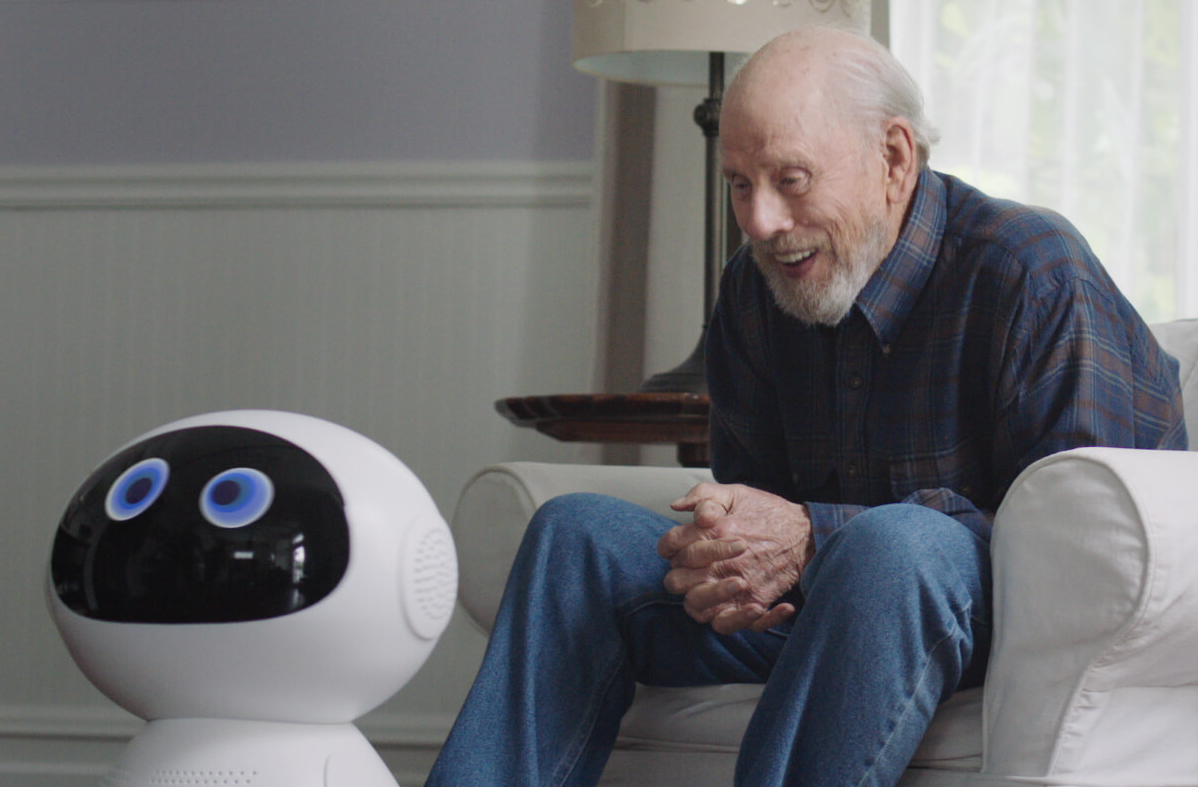
We follow Jim through an ordinary day—fishing at the lake, managing his health, connecting with family and caregivers. He lives alone, but he's never really alone.
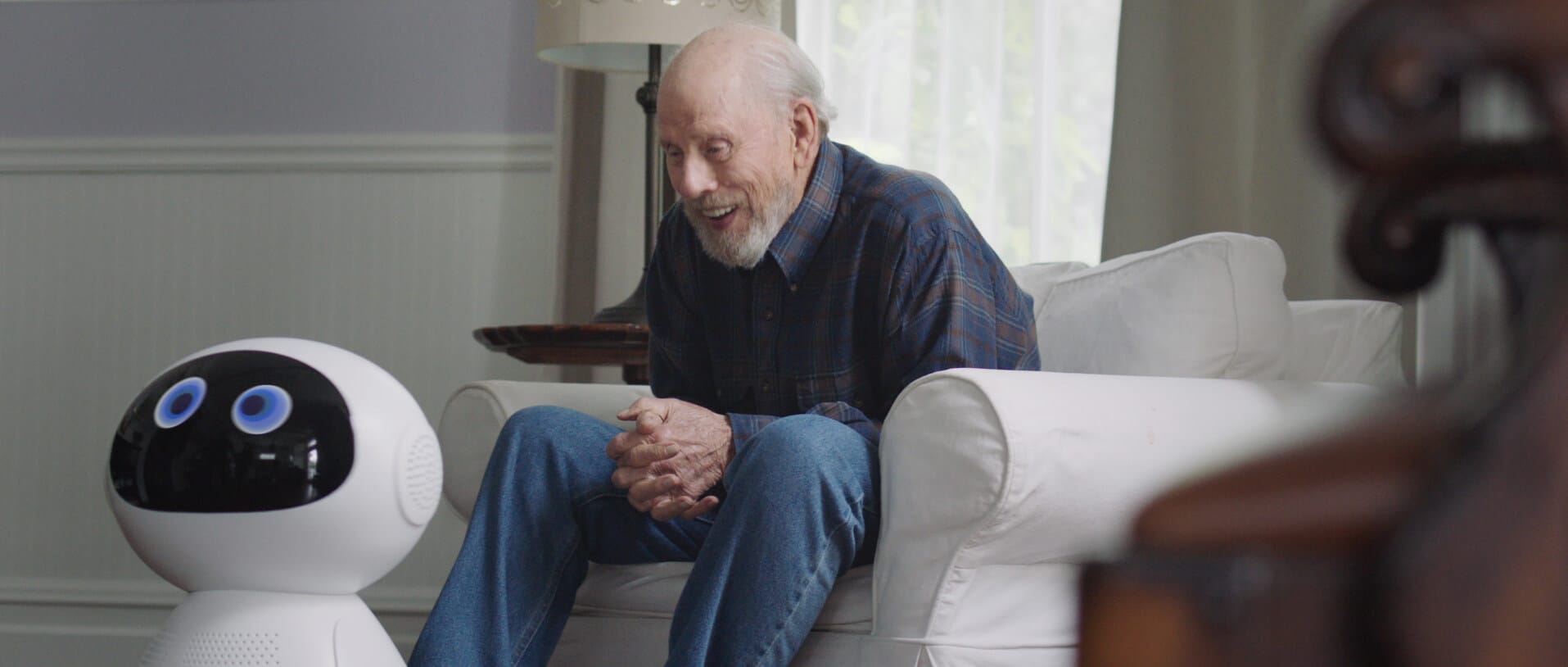
His companion is Cookie, an AI agent who knows his medical history, his medication schedule, his temperament, and his sense of humor. Cookie isn't a cold clinical interface—it's a presence that balances the professionalism of healthcare with the comfort of home.
Throughout the day, technology works quietly in the background. Jim's medications release in precisely timed doses, monitored by his care team in real-time. Sensors track his vital signs without him thinking about it. When he needs to connect with his doctor, it happens seamlessly—no waiting rooms, no transportation challenges.
Jim isn't dependent on technology. Technology gives him back his independence.
Behind the Film
The star of "A Better Place" is Rance Howard, who had been acting for over 70 years and appeared in more than 250 films and TV shows. (He's also Ron Howard's father.) The fishing scene at the lake was his first time ever casting a lure—we taught him on set.
Cookie, the AI companion robot, was created specifically for this film. An art director designed and 3D printed the head and body. A robotics expert programmed the wheels and head motors. Two operators remote-controlled Cookie's performance on set while two animators designed the eye movements. A voice actor brought the character to life.
That level of craft mattered because Cookie had to feel real—not like a prop, but like a presence Jim would actually want in his home.
Technologies in the Film
Each innovation shown is grounded in real research—technology already in development that high-speed, connected networks will enable at scale.
Smart drug delivery — Jim swallows an ingestible pill containing a microchip that monitors and releases medication in controlled amounts, optimizing exact timing and dosage. The chip transmits signals to an external device that alerts his care team, where effects are monitored in real-time. The pill requires no battery—it's powered by short bursts of low-voltage charge from the external device.
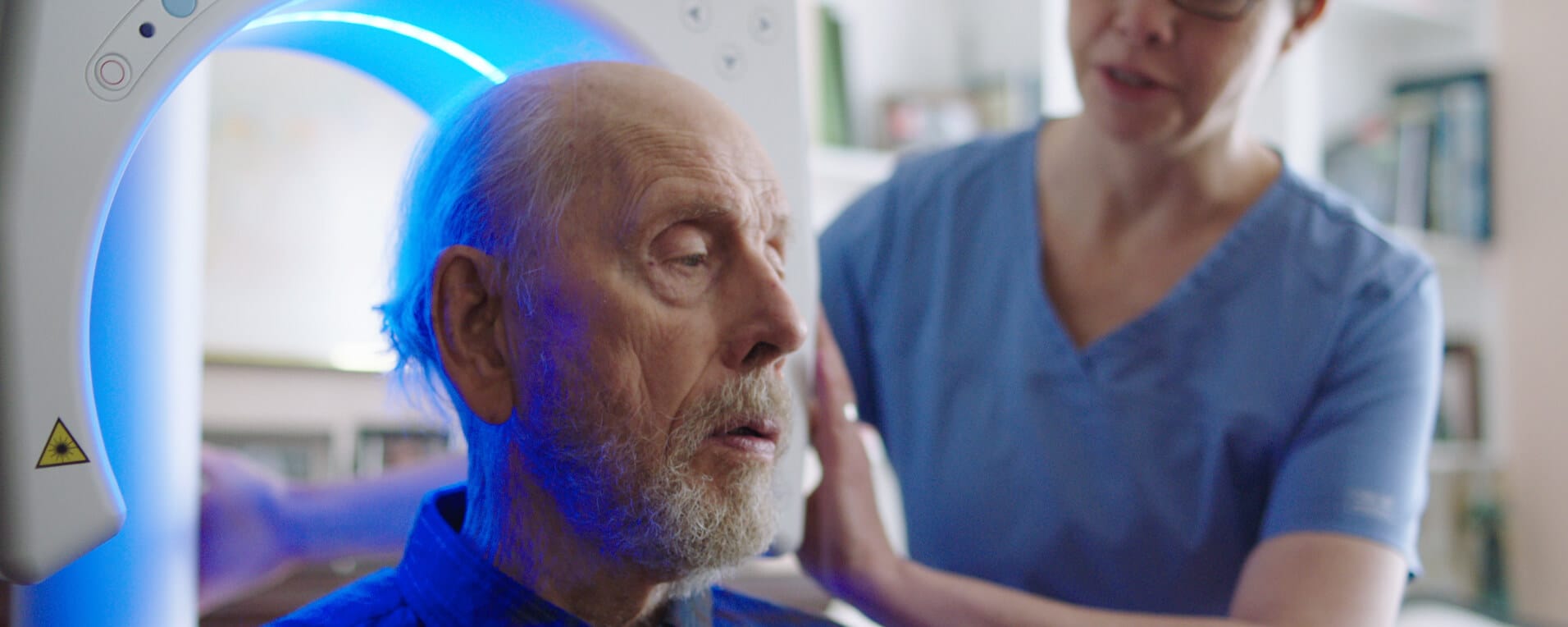
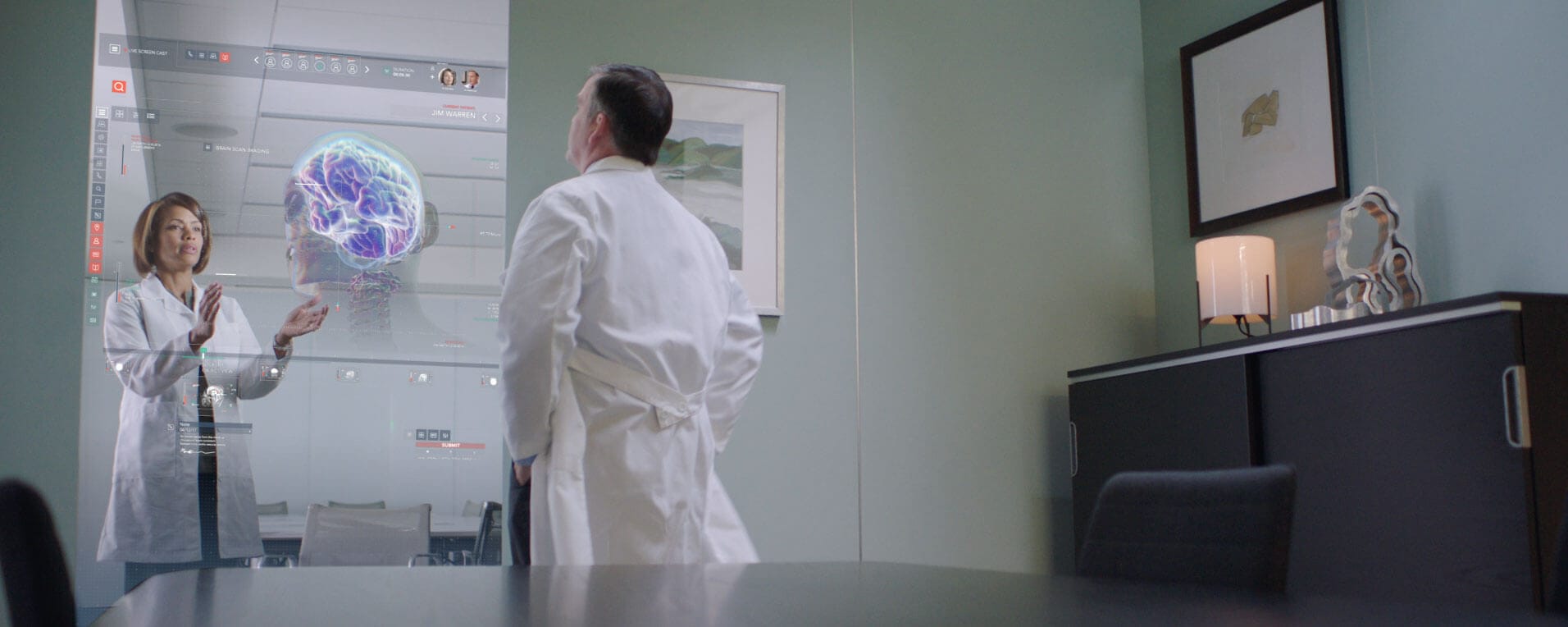
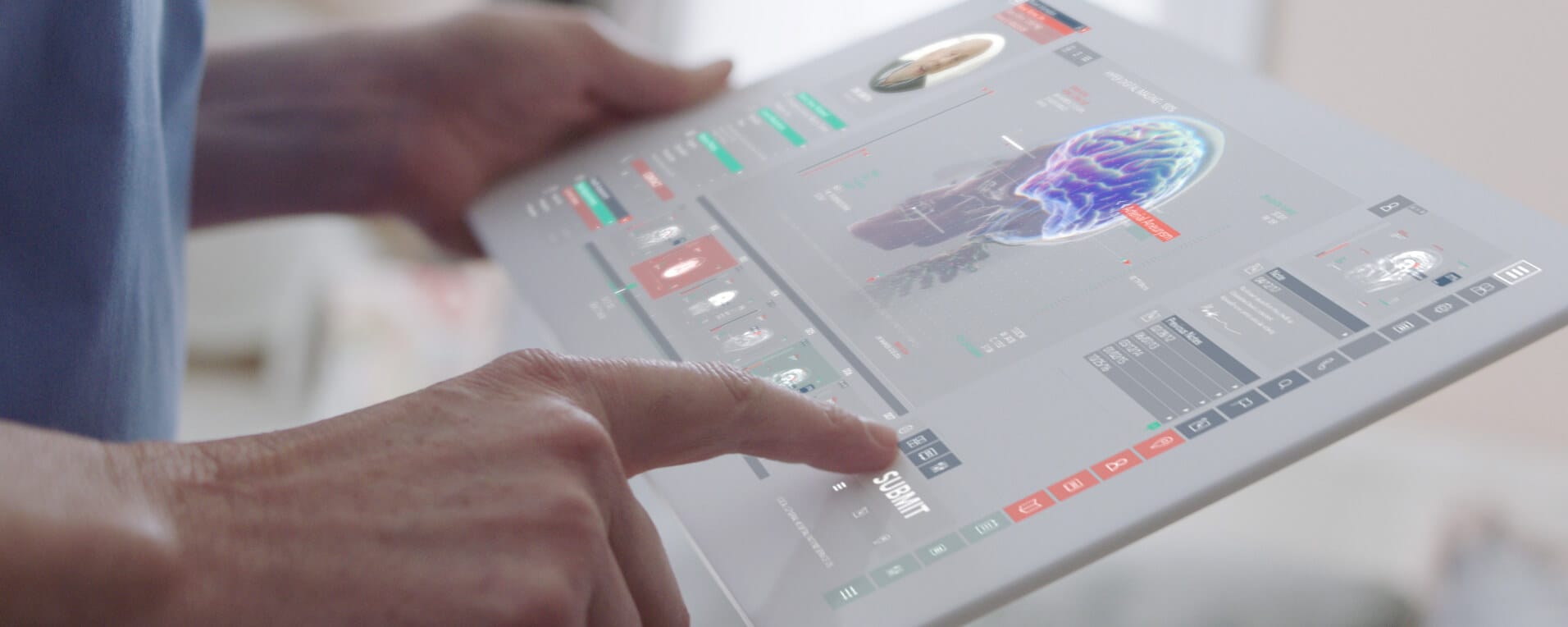
Portable brain scanning — Advanced MRI systems probe the microstructure of the brain at extremely high resolution, making early detection of Alzheimer's, strokes, aneurisms, and other neurodegenerative conditions far easier than today. Big data analysis helps doctors examine millions of neurons and verify their conclusions.
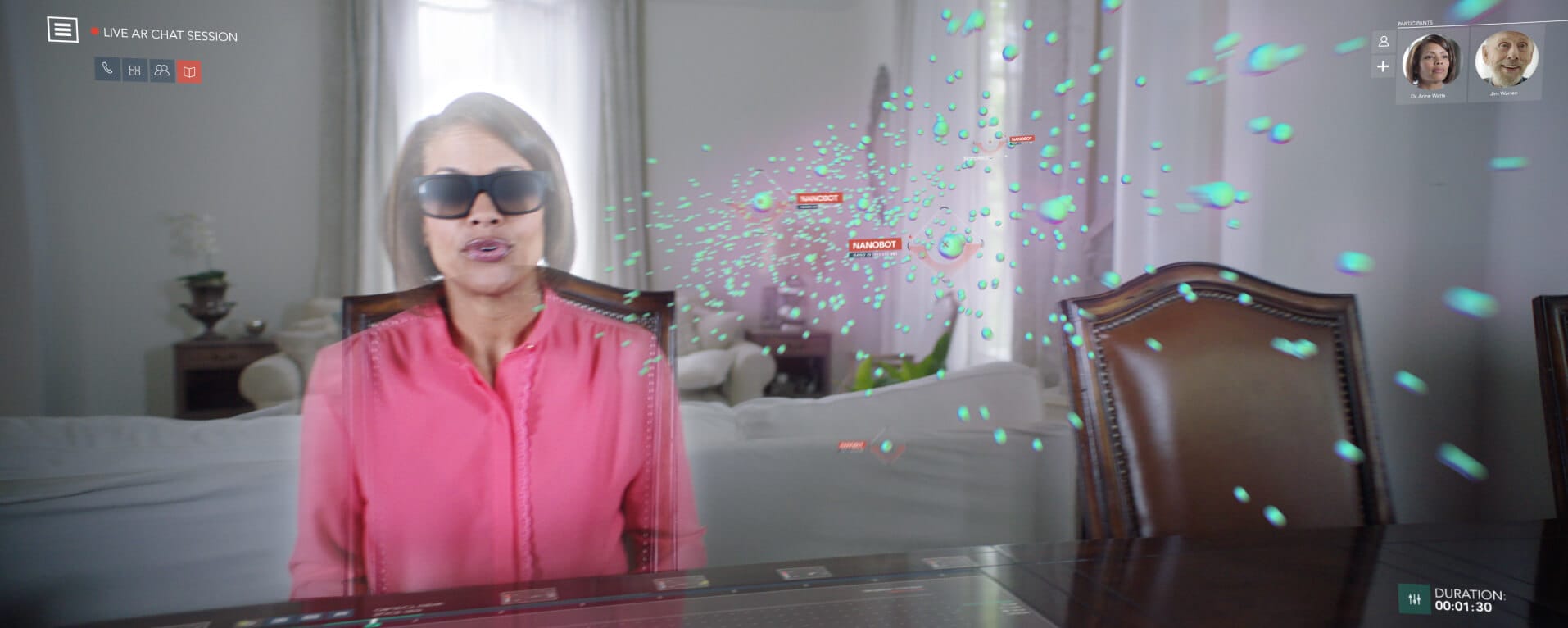
Nanosurgery — Nanobots injected into the bloodstream treat disease with precision impossible through conventional methods. These microscopic robots are small enough to enter living cells, distinguish between healthy and diseased tissue, and deliver treatment directly to the source. They're powered by electromagnetic impulses—no batteries required.
AI companion agents — Cookie represents a new category of in-home healthcare: an AI agent that provides social interaction, around-the-clock monitoring, and a direct interface with hospital systems. The agent knows Jim's treatments, needs, and personality—striking a balance between clinical necessity and human comfort.
Continuous health monitoring — Wireless, water-resistant sensors on Jim's body track heart rate, respiratory rate, bodily fluids, and activity levels. The data is analyzed to predict health events—like heart failure—before they happen, by comparing trends in vital signs over time.
Networked healthcare — Shared patient data flows seamlessly between Jim's home, his hospital, and other care facilities, giving every healthcare worker a complete profile. Smart city sensors monitor environmental factors like dust, pollen, and pollution, helping Jim make informed daily decisions about his health.
Why This Film Exists
Healthcare innovation often gets stuck in abstractions—telemedicine, IoT, connected devices. These terms mean something to technologists but nothing to the people whose lives they'll transform.
"A Better Place" makes it concrete. When industry leaders and policymakers watch Jim live his day—fishing, laughing with Cookie, staying connected to his care team without leaving home—they stop thinking about technology categories and start thinking about their parents. Their grandparents. Themselves.
That shift—from technology specifications to human stakes—is what innovation storytelling is designed to create. The cable industry isn't just building faster networks. They're building the infrastructure that lets people like Jim live independently for years longer than previous generations could imagine.
Part of an Ongoing Series
"A Better Place" builds on years of Near Future films, each exploring different aspects of connected life. Here are a few:
- Bring It On (2016) — Home life transformed by multi-gigabit networks
- A Better Place (2017) — Aging in place with emerging healthcare technology
- Step Inside (2022) — Immersive technology in daily life
The series continues because the future keeps arriving. Each film captures technologies 3-10 years out, grounded in what's actually in development, shown through the lens of ordinary people living extraordinary days.
Client: CableLabs
Year: 2017
Capability: Innovation Storytelling
Innovation Storytelling
If you’re looking for help with your innovation storytelling in a powerful and impactful way, visit the Work With Me page. I would be happy to discuss your specific needs and see how I can help.