Can You Create High Performance Teams? S13 Ep36

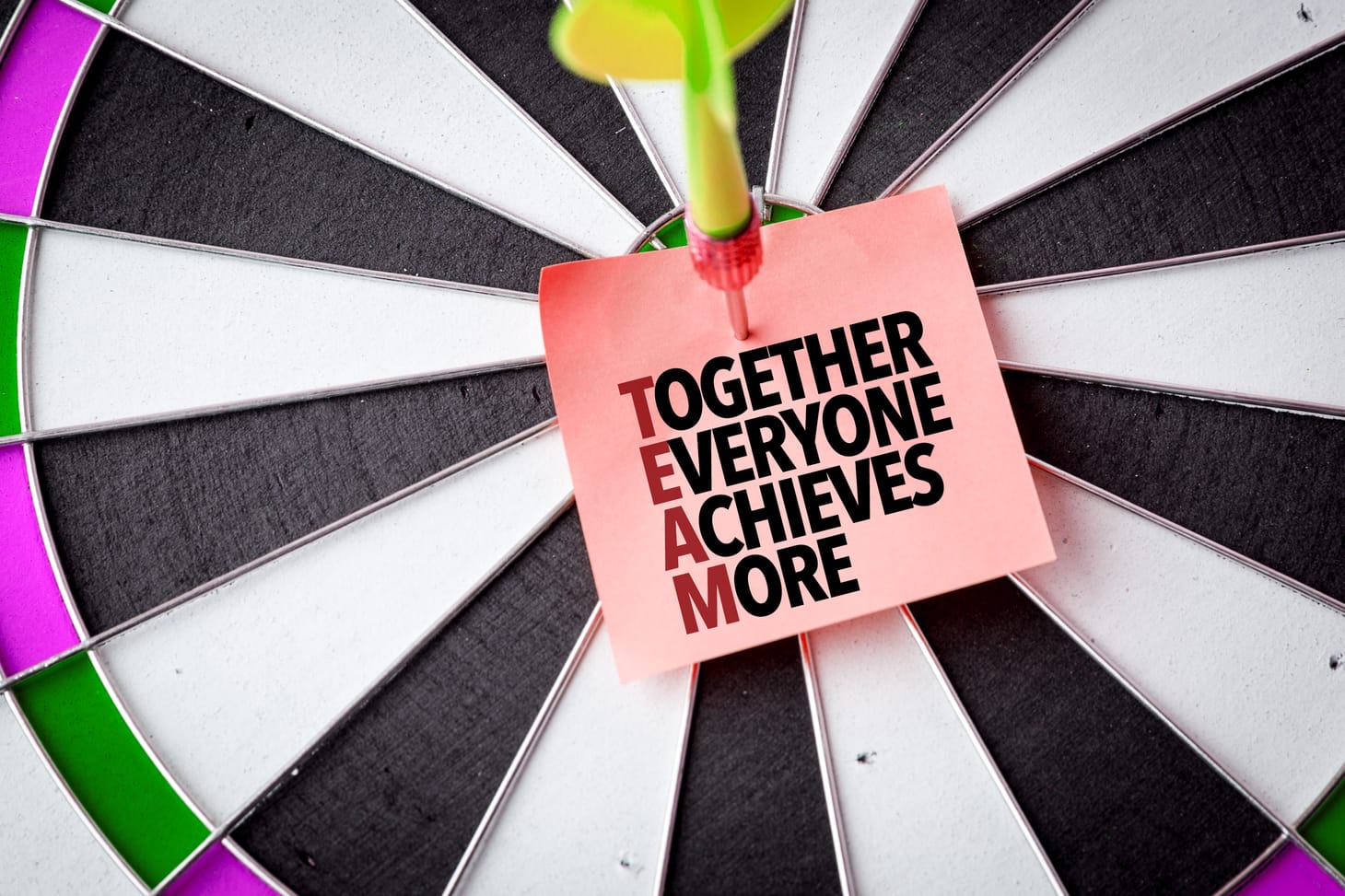
Over my career, twice I found myself part of what I would consider high performance teams. These are teams that achieved far beyond expectations. Once you've been a part of a high performance team, you will do everything in your power to find another team just like it.
What I struggled with was unlocking why some teams are high performing while others were so bad I did everything in my power to get off of them.
This begs the question: Is there a formula or set of rules to creating and maintaining high performance teams?
Yes - per the authors Linda Adams and Audrey Epstein, of The Loyalist Team: How Trust, Candor and Authenticity Create Great Organizations.
In their book, they establish the framework that there are four types of teams.
- Saboteur: Team members are working actively to sabotage the project and team members.
- Benign Saboteur: Depending on the the situation and personal goals, team members will throw others under the bus with no commitment to the success of the team and its projects.
- Situation Loyalist: Team members support the team and its members depending on the situation and personal objectives.
- Loyalist: Team members are fully committed and have each others back.
Compared to saboteur teams, loyalist teams are
2000x more likely to be viewed as highly effectiveby their stakeholders.
Mindset of High Performance Teams
In their book, the authors layout what they believe are the tell tail signs of the loyalists team mind set:
- We win or lose together
- We have each other's backs
- We are committed to the team goals
- We hold each other accountable
What type of team are you on?
Which team are you a part of? Take a free survey offered at Trispective.com
[callout]Listen below to this weeks show to hear how you can create high performance teams.[/callout]
About The Guests:
Audrey Epstein's 20-year corporate HR career has focused on her passion: driving executive, team and organizational excellence. Prior to her consulting experience, Audrey managed learning and development functions within large companies and non-profits. Her experience includes building state-of-the-art leadership programs for executives, high potential groups, and special populations such as executive women.
Linda Adams brings over 40 years of experience as a Human Resources professional in several large international corporations and as an Executive Coach to the senior leadership of several top North American businesses. Linda focuses her work on creating dynamic and sustainable change in the way executives interact and create results for their teams and their organizations. She works with senior executive leaders to articulate vision, build alignment, establish accountability and drive to attain results for their organizations.
Links:
[callout]Listen below to this weeks show to hear how you can create high performance teams.[/callout]