Creating Motion and Gesture Control with Style

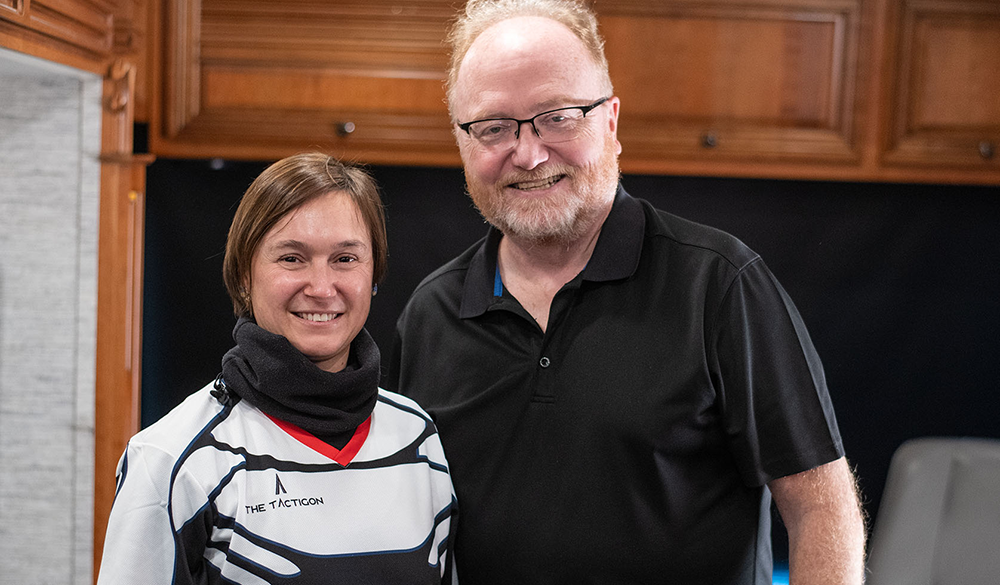
Apply technology designed for one use to a whole new product. Then expect the unexpected. Tech that detects motion on bridges and other large structures is the backdrop. Chief Operating Officer Nadia Giuliani joins the show from CES 2019. She shares the latest product from Next Industries: Tactigon Skin. It transforms the controller, creating motion and gesture control for a number of uses.
Monitoring in Milan
Next Industries is a startup located in Milan, Italy. The company has been running for the past five years. Their first products focused on vibration detection and motion capture. The use is structural monitoring to improve maintenance and decrease risks. As an R&D company, they sought new avenues for their expertise. They decided to revolutionize the controller.
Revolutionary Controller
Next Industries has designed a new motion controller. Tactigon Skin is a programmable controller. It allows hands-free gesture control for a range of electronics. PC games, robots, computers, VR/AR, 3D printers, apps, and drones. Tactigon Skin is designed to fit like a glove with inner workings akin to a smartwatch. It connects to Bluetooth, smartphone devices, and laptops. There is future potential for retail. With a final prototype, Next Industries is seeking funds to bring the product to market. They are exploring crowdfunding options.
Solving Problems
Creating motion and gesture control in Tactigon Skin was a challenge. The intricacies of the product required demand constant problem-solving. Add to that the funding for the design phase. Nadia and the team persevered through tech problems and financing the long period of development. Next Industries navigated through with success. They have been in development for one year now. Nadia’s advice to others going through product development is to keep at it. You must persist to survive.
Ergonomic form factor is another problem the Next Industries design team faced. Finding the right fit for all in creating motion and gesture control was even more difficult than the tech challenges. The response at their CES demo has been positive.
Lessons Learned
Throughout this process, Nadia and her team have learned a few key tips that have helped them.
- Be independent of outside investors.
- Find good partners.
- Wait for the right platform.
Creating motion and gesture control, Next Industries meets a demand for agility and ease of use.
To track what Next Industries is doing, visit https://www.thetactigon.com/ and http://www.nextind.eu/en/. For the latest, check out their Twitter and Facebook accounts.
To hear the interview with the Chief Operating Officer of Next Industries Nadia Giuliani at #CES2019, listen to this week's show: Creating Motion and Gesture Control with Style.
[xyz-ihs snippet="Creating-Motion-and-Gesture-Control-with-Style-S15-Ep5"]