
The Truth And Disappointment Of Orphaned Innovations S13 Ep17

Orphaned innovations are those great ideas that could have a significant and positive impact on peoples lives except the market is so small that you can't raise the monies and the support to bring them to market. Orphan drugs is the pharmaceutical industry version of the orphan innovations.
Orphaned Innovations
In a previous live, I had a team whose sole role was to develop technologies to help customers with special needs. This included; braille keyboards, puff controls and screen readers. We knew we were doing good but constantly ran up against the business objective of generating a return against the R&D effort.
What are we to do about?
Orphan Drugs
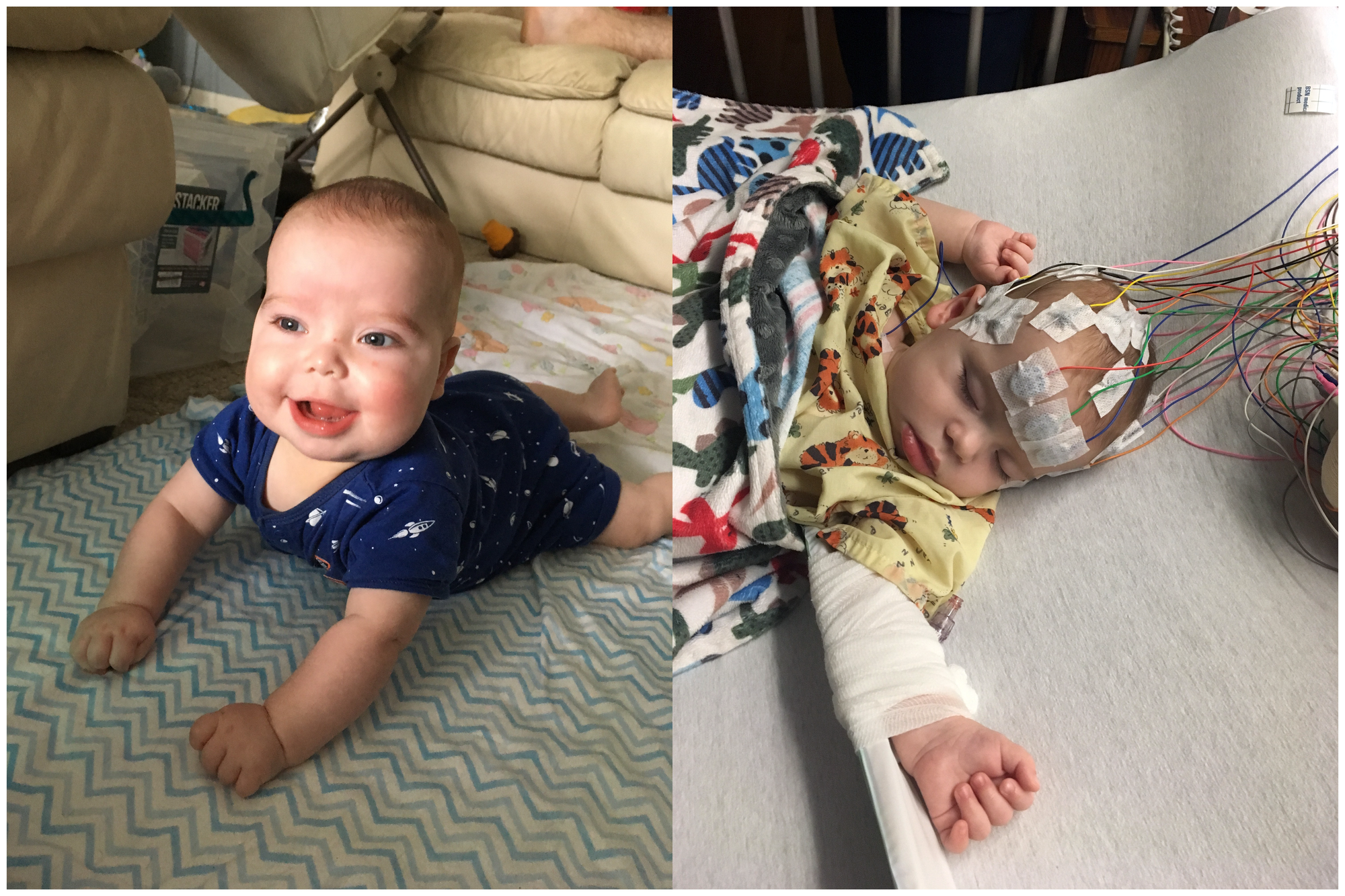
Recently, my youngest grandson was diagnosed with West's Syndrome, also called infantile spasms. Its a rare condition that inflicts 2,500 infants. As a result of the diagnosis, we been dropped into the world of orphan drugs. These are drugs that are (or are not) produced to work on conditions that are rare.
In 1983, the Orphan Drug Act (ODA) was signed to put in place a set of incentives to encourage companies to develop drugs and therapies that would not be normally attractive to the pharmaceutical industry. The incentives that are part of the ODA include:
- 50% tax credit for development costs
- 20 year carry forward on tax credits
- FDA fees waived
- 7-year market exclusivity from the date of FDA approval
ODA kicked off work in areas that have major and significant impact on peoples lives.
As with all such things, there are those that would abuse it. In the case of my grandson and his West's Syndrome, there is one drug, ACTH which is an example of what some would call abuse of the ODA.
ACTH has been around since the 1950's. Its not a new drug. One company put the drug through FDA approval as an orphan drug and secured a 7-year exclusivity for the drug.
The result? One vial of ACTH in the US costs $23,000 while in the U.K., that same vial costs $5.00.
Hard to believe. Given that the drug already existed, how does any company justify the fees they are charging individuals -- especially since most insurances will not cover orphan drugs because of their exorbitant costs.
Listen to the episode to hear the latest on where we are with my grandson.
Conclusion
We need to take a hard look at ourselves and our organizations. How can each of us can take an orphaned innovation and ignore the ROI and instead focus on impacting people's lives?
Links: