The Near Future Film – Bring It On
A family's ordinary day with extraordinary technology—autonomous cars, holographic lessons, VR across distance. No one explains it. They just live with it.

What will home life look like when networks run at multi-gigabit speeds?
This film is part of The Near Future series I produce for CableLabs—an ongoing body of work using innovation storytelling to help the broadband industry see what they're actually building toward. Not bandwidth numbers. Not latency specs. The human experience those capabilities enable.
The challenge with infrastructure innovation is that the people funding it rarely see what it makes possible. They see capacity charts and cost projections. "Bring It On" was designed to change that—to let executives, policymakers, and innovators step inside a home 3-8 years in the future and experience a day transformed by the networks they were investing in.
The Story
A family moves through an ordinary day—but nothing about their technology is ordinary by today's standards.
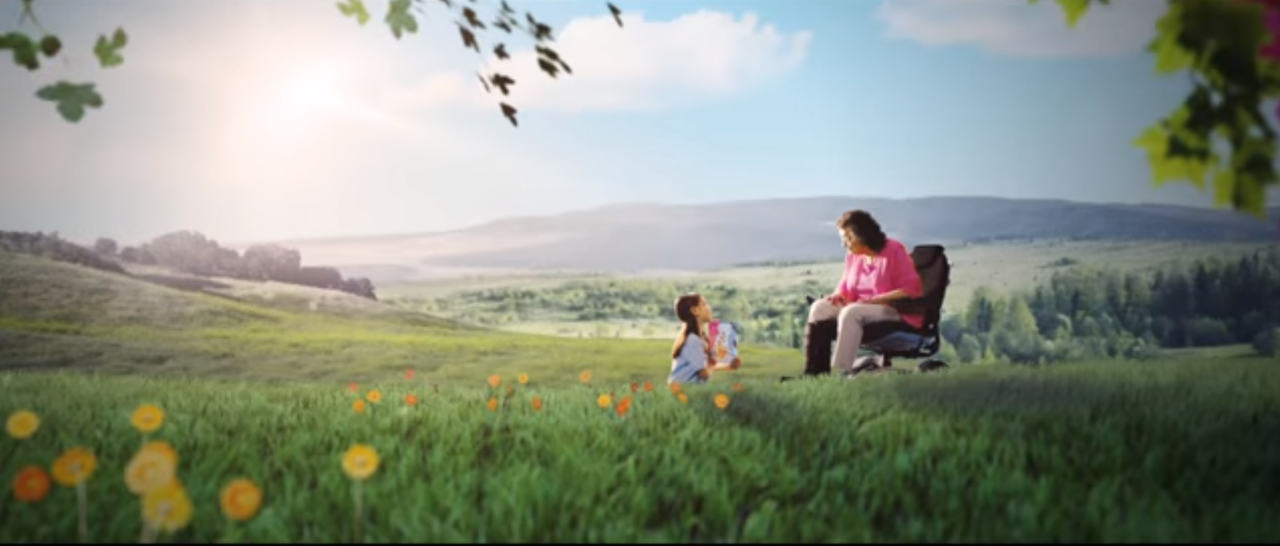
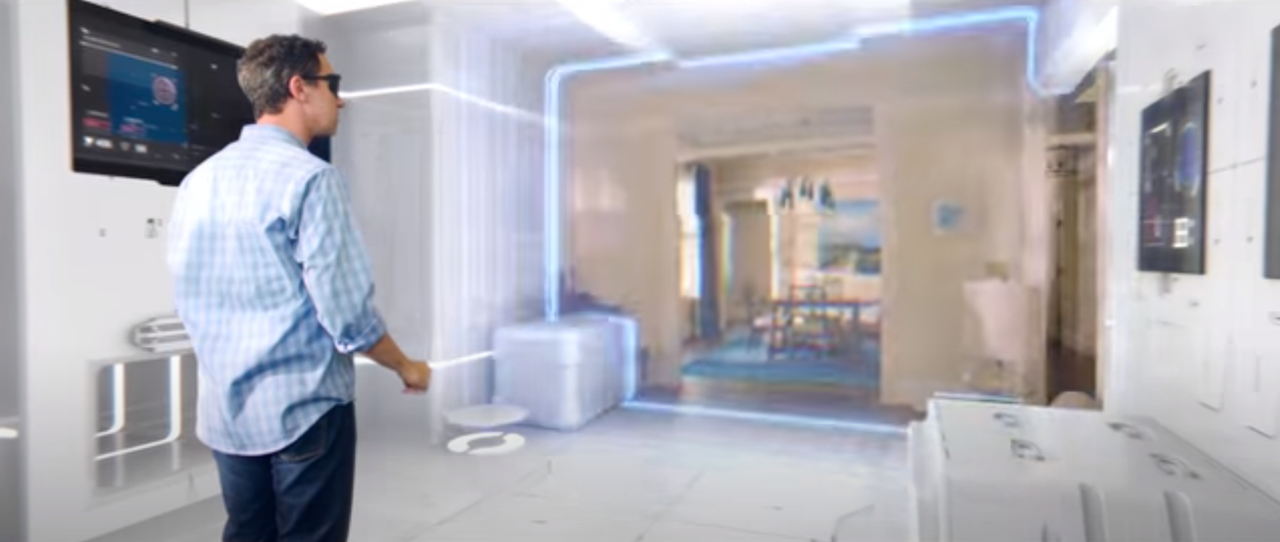
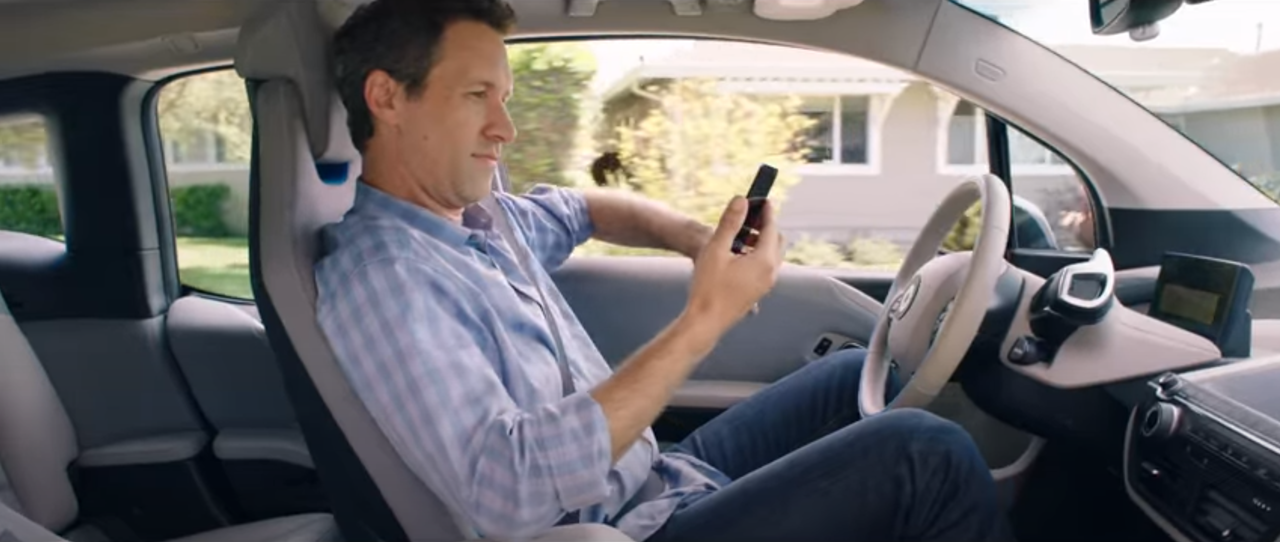
A father arrives home and slips on VR goggles, stepping into a mixed-reality environment overlaid on his living room. A mother collaborates with distant colleagues through a life-sized video wall that makes remote work feel like shared space. A daughter and her grandmother play games together through VR, laughing and competing despite being physically apart. In the driveway, an autonomous vehicle connects to the home network to download its daily updates.
No one explains the technology. They just live with it.
Technologies in the Film
Each innovation shown was grounded in real research—technology already in development that high-speed, low-latency networks would enable at scale.
Autonomous vehicles — The film shows a self-driving car pulling up and automatically connecting to the home network. Autonomous vehicles will require 200-300 gigabytes of updates monthly. That kind of data movement demands infrastructure that didn't exist when we made this film—but was coming.
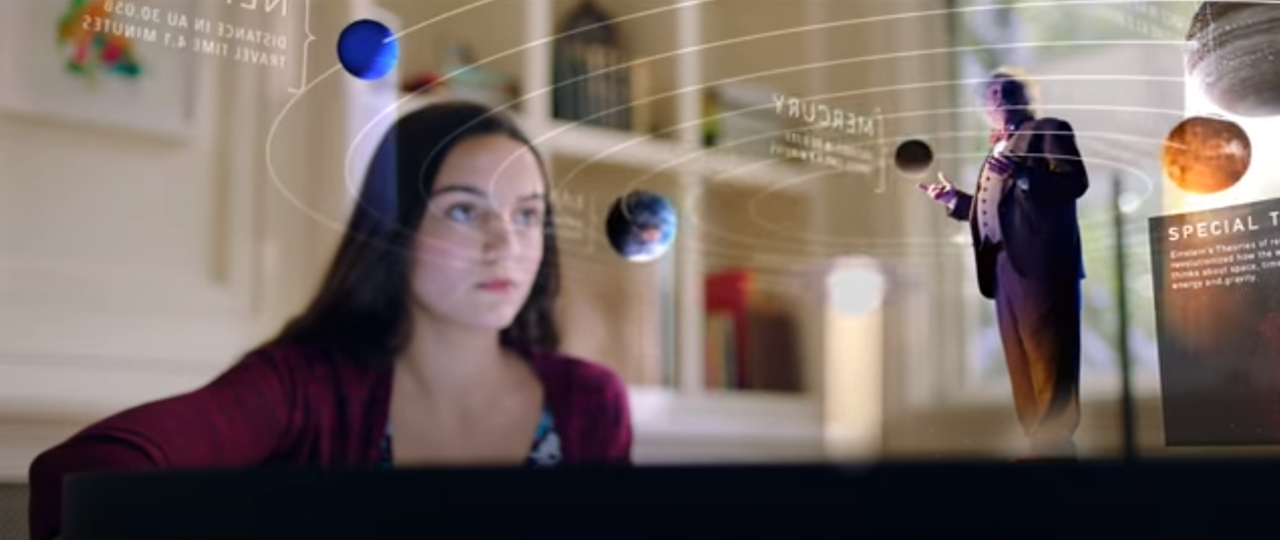
Holographic displays — A scene features a holographic Einstein teaching a lesson. This represents what education could look like when media-rich, interactive content becomes the norm. The technology depicted felt far-off in 2016; advances since then have brought it much closer.
Local and distance VR — Multiple scenes show VR experiences—a father in mixed reality at home, a grandmother joining family game night remotely, a daughter and grandmother sharing space despite physical distance. These multi-user, cross-location VR experiences require both high-speed networks and powerful edge computing.
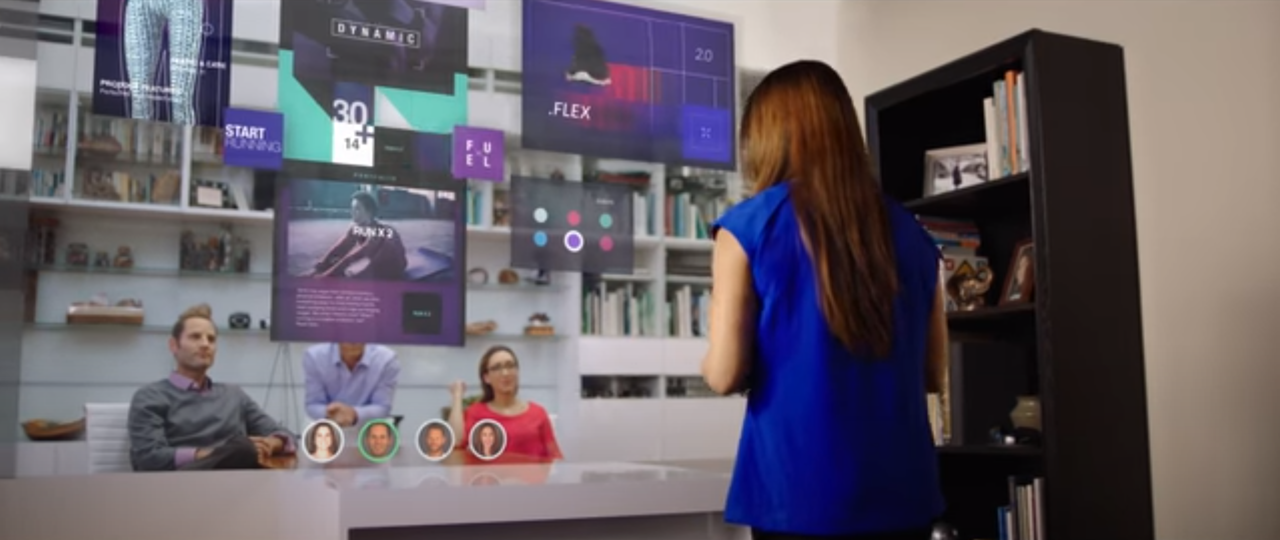
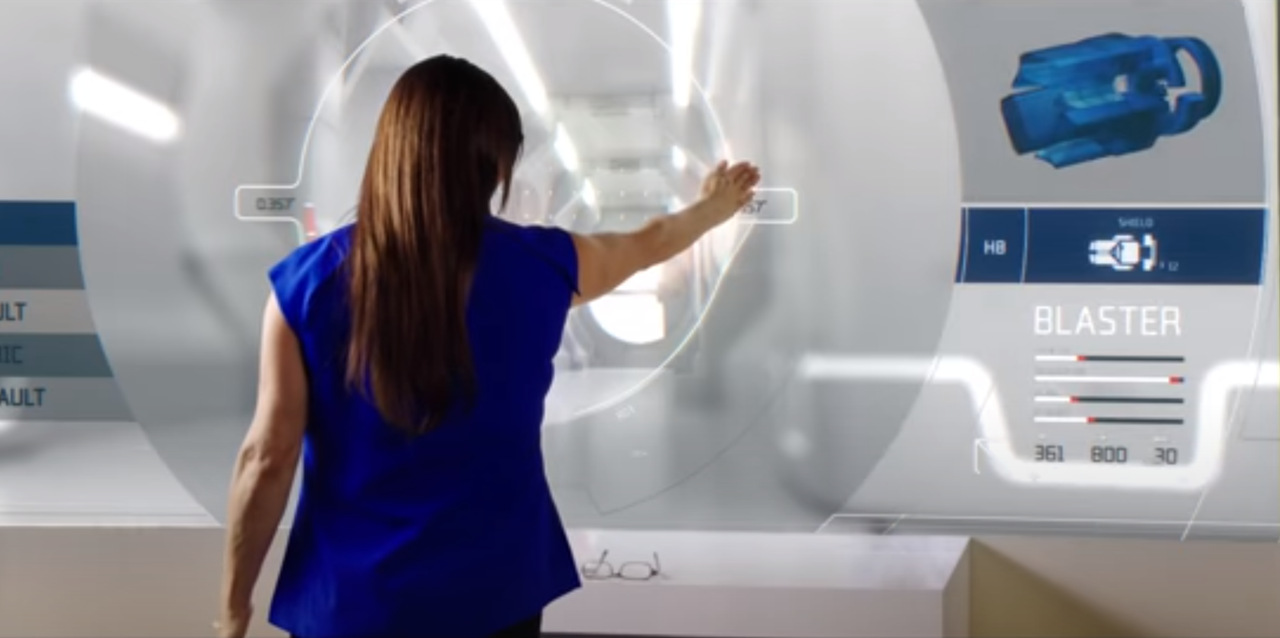
Video collaboration walls — The mother's workspace features a life-sized display for remote collaboration, with documents suspended in shared visual space. This was inspired by the Smart Touch Wall I created for Edelman's New York headquarters.
Edge computing — Everything depicted in the film depends on local processing power working in concert with network speed. Edge computing handles the rendering and real-time calculation that makes distance feel like presence.
Why This Approach Works
A spec sheet could have communicated the same technical requirements. But a spec sheet doesn't change how people think. It doesn't make them feel what's at stake or see themselves in the future being built.
When industry leaders watched this film, they stopped debating bandwidth numbers and started asking different questions: What services would this enable? What would customers actually do with this? What are we really building toward?
That shift—from technical specifications to human possibility—is what innovation storytelling is designed to create.
Client: CableLabs
Year: 2016
Capability: Innovation Storytelling
Innovation Storytelling
If you’re looking for help with your innovation storytelling in a powerful and impactful way, visit the Work With Me page. I would be happy to discuss your specific needs and see how I can help.