You Knew Before I Did
I built a brand for twenty years. Then I searched for it.
A name is a decision. Most people don't treat it that way. They treat it like a label, something you pick once, attach to a thing, and stop thinking about. BackRub became Google. Cadabra became Amazon, after Jeff Bezos's lawyer misheard it as "cadaver" on a phone call. Blue Ribbon Sports became Nike. In every case the original name made sense when it was chosen. In every case, the thing grew into something the name couldn't hold.
I thought I was paying attention to this. I wasn't.
Where It Started
Bob Davis hired me into my first job in 1982. He was a co-founder of Cullinet, one of the first independent software companies in the industry. Over the next six years, we went to three companies together. But the mentorship went far beyond the years we worked side by side. I would not be where I am today without Bob Davis. He, along with my parents, is who I dedicated my book to.
When I asked him how I could ever pay him back for everything he'd done, he laughed. You can't pay it back, he said. You pay it forward.
That stuck. After fifteen years of trying to find the right way to pay it forward, the door opened. Podcasting. On March 5, 2005, I recorded the first episode of what became Killer Innovations. Cheap microphone. Laptop. Hotel bathroom at a Marriott in Arizona because the acoustics were decent. Nobody called it podcasting yet. But the idea was Bob's, applied at scale: share the experience, expertise, skills, and challenges of life as an innovator.
The show found its audience. Then it found more. Tens of millions of downloads over two decades. And for all of that time, I kept my head down and did the work. I didn't spend much time searching for the show, checking its rankings, monitoring its presence. When something keeps finding its audience, you trust it.
Then a listener sent me a message.
Enjoying this? Studio Notes delivers innovation decision insights to your inbox.
What I Found When I Finally Looked
Have you seen this?
I hadn't.
killer-innovations.com. One hyphen away from killerinnovations.com, the show's home for twenty years. A gun parts company. Aftermarket triggers, tactical accessories. They'd been at it for years, building their own audience, their own content, their own search presence. Professionally managed. Well resourced. Serious about the brand they were building one hyphen away from mine.
My first instinct was to fight. Cease and desist. Twenty years. Tens of millions of downloads. Prior use.
Not out of generosity. Out of curiosity. Before I picked a fight, I wanted to know what I was fighting over.
So I opened a browser and searched.
For years, you typed "Killer Innovations" into Google and the show was right there. First result, no contest. That was gone. The gun company had invested in their search presence the way serious brands do. They were climbing. The show was disappearing.
I sat with that longer than I'd like to admit.
Then I searched for something else. I searched my own name.
Two full pages. Every listing. The podcast. The book, published by Hachette. The keynotes. The consulting work. CableLabs. HP. Forty years of decisions and their consequences, all of it sitting under Phil McKinney. Not under a show name. Not under a brand. Under me.
The audience had already made their decision. They weren't searching for Killer Innovations. They were searching for me. They had been for years, probably long before the gun company started crowding the search results. The name I'd built the show around had become irrelevant to how the audience actually behaved.
I stopped thinking about the gun company. They weren't the problem. They were the signal that made me look at the actual problem.
The Decision I'd Been Defending
For twenty years, I kept myself deliberately out of the frame. The podcast cover art never had my face on it. Every time someone suggested adding it, I had an answer ready. The work should speak. Not the person. Keep the ego out of it. Let the ideas carry the weight.
I believed that. I still believe parts of it.
I've spent forty years watching executives defend decisions that stopped making sense long before anyone stopped defending them. The product strategy held onto long after the market moved. The org structure preserved long after the company outgrew it. The brand positioning protected long after the competitive landscape made it irrelevant. The decision that made sense at the time becomes the decision you keep making because you've always made it, and stopping feels like admitting something you don't want to admit.
I wrote about exactly this in the HP WebOS story. Smart people making catastrophic decisions not because they lacked intelligence, but because their identity was fused with a choice that had expired. Leo Apotheker saw himself as an enterprise software executive, so he killed a mobile platform that could have changed HP's future. The board saw themselves as decisive, so they approved a 49-day evaluation of technology that needed 18 months. Identity overrode evidence. Every time.
I knew that dynamic cold. I didn't recognize it in myself.
Keeping my face off the cover wasn't principle anymore. It was habit dressed up as principle. The audience was searching for me by name. The show's brand was losing ground to a company that sold gun parts. And I was still building around a name that no longer appeared on page one, attached to cover art that didn't show the person the audience was actually looking for.
That's not humility. That's arguing with the evidence.
You probably recognize your version. A strategy that made sense when the market looked different. A positioning that worked before the competition shifted. A structure that fit the company you used to be. You've updated everything around it. You haven't touched the decision underneath, because touching it means acknowledging that the original call had a shelf life. That it was right then and wrong now. That even good decisions expire.
The evidence usually shows up before you're ready for it. A number that doesn't add up. A question from someone who doesn't know what they're not supposed to ask. A message from a listener paying closer attention than you are.
Nobody wants to make that call. I didn't. I made it anyway.
The Name Has Changed
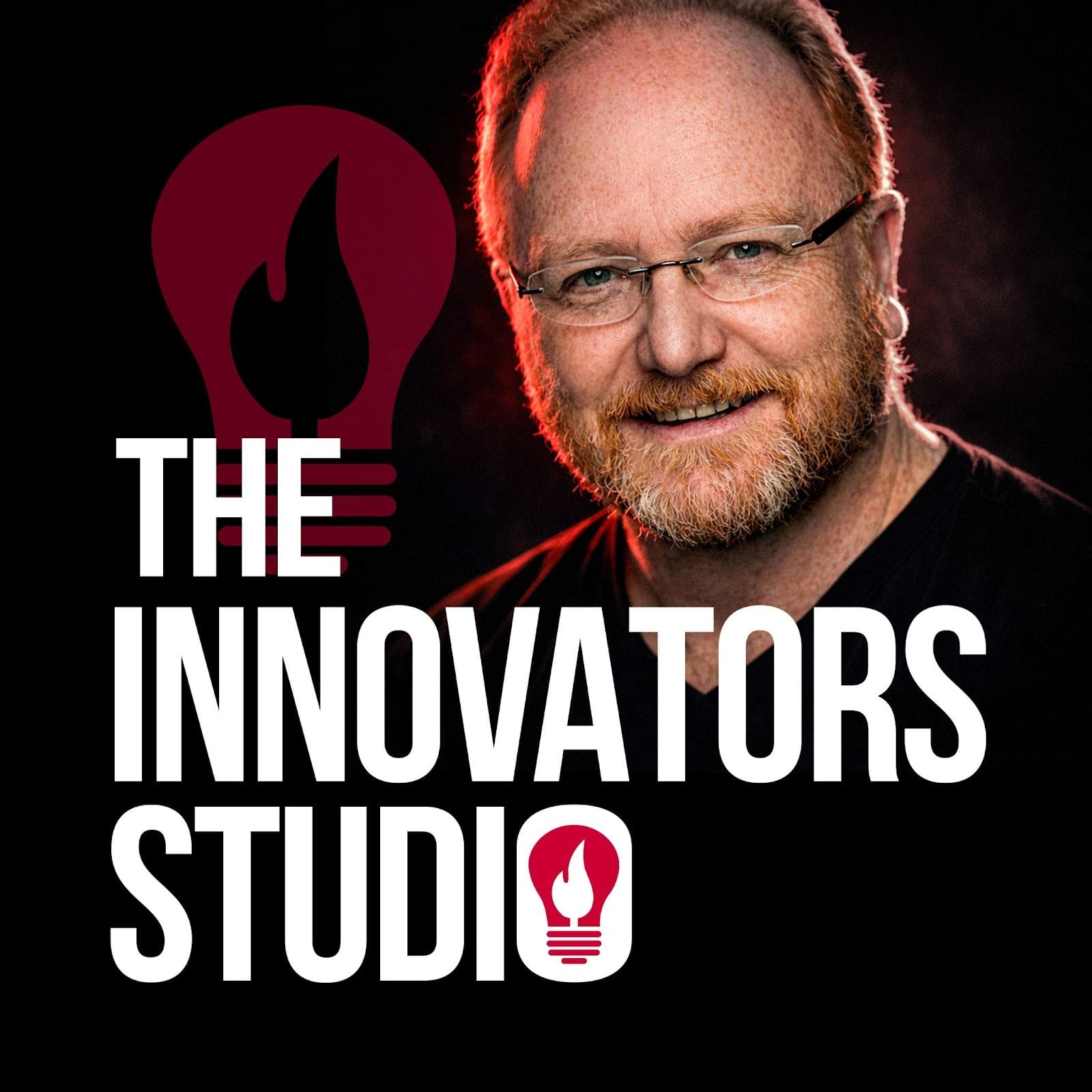
Killer Innovations with Phil McKinney is now The Innovators Studio with Phil McKinney.
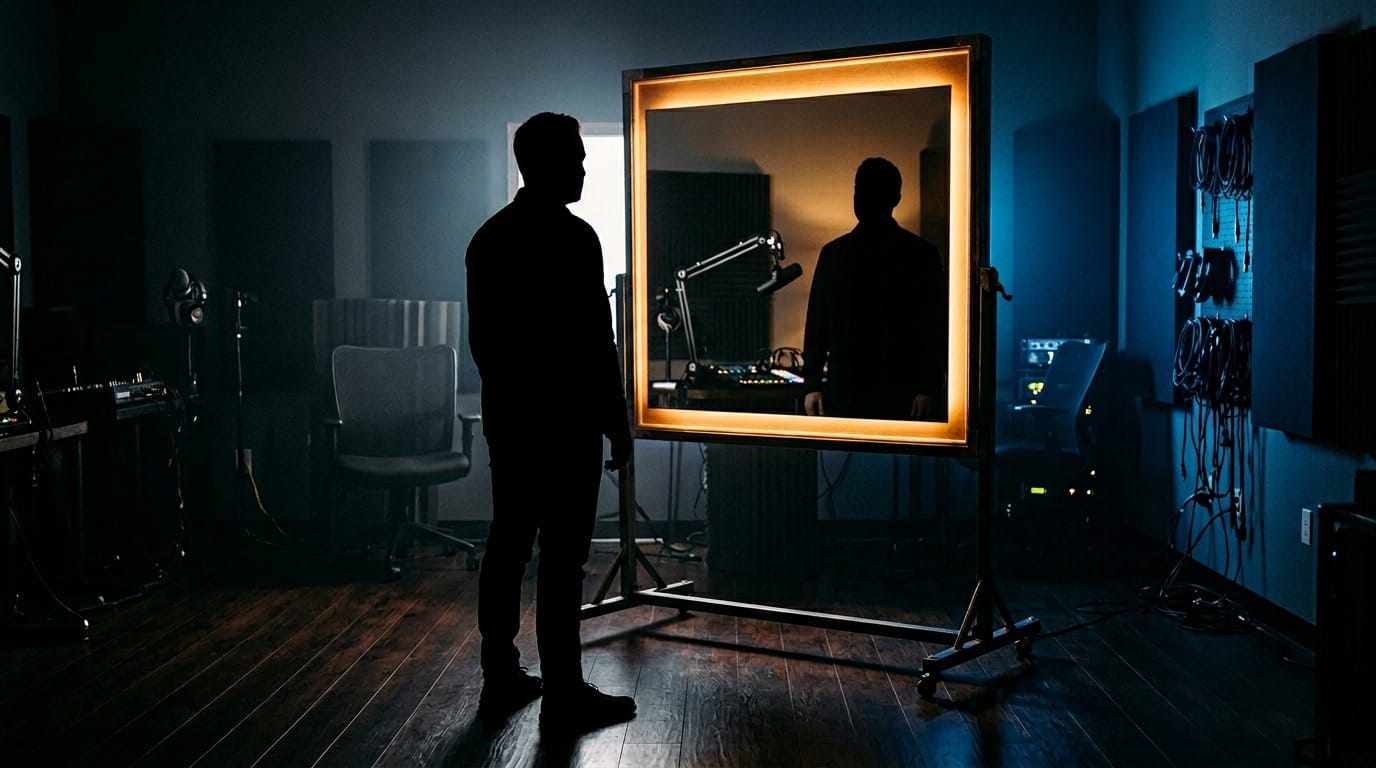
The name was hiding in plain sight. In 2013, I built a dedicated studio, a 1,200 square foot space purpose-built for prototyping, production, and the work that eventually became everything you read and hear from me. Over the years, The Innovators Studio became the home for all of it. The show just hadn't caught up.
What the Audience Was Already Telling Me
Twenty years of content teaches you something if you're paying attention. The pieces that drove the most engagement, the most reader response, the most subscriber growth, were the ones triggered by something happening in the world. Elliott moving into HPE. Enrique leaving HP. The WSJ publishing a defense of quarterly reporting. Readers didn't just read those. They responded. They shared them. They reached out to say they'd seen the same pattern in their own organizations.
That signal was clear: stop abstracting. Get closer to the real thing.
Studio Notes, published every Monday, is the opinion page for innovation. Something happens in the world of innovation, and it gets a practitioner's verdict. A position, backed by evidence and firsthand experience, is put on the record before the outcome is known.
Studio Sessions, available every Wednesday to read, listen, or watch, followed the same signal from a different direction. The feedback was consistent: listeners didn't want more skills. They wanted the stories behind the skills. What actually happened. What exposed the problem. What revealed the pattern. Studio Sessions are the decision patterns, lived. The real calls. The rooms they happened in. So you recognize the pattern in yourself before you hit the landmines.
Both formats exist because the signal was the same. The rebrand is no different. I finally listened.
Everything now lives at one home: philmckinney.com. You don't need to do anything. The show will show up in whatever podcast app you already use.
The Last Thing I Changed
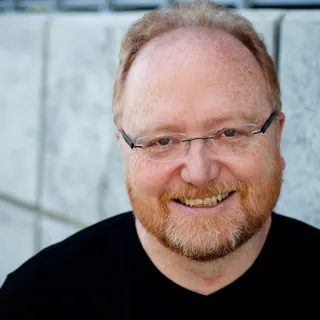
And my face is on the cover.
Naming the show was the easier decision. Putting my face on it meant accepting what the audience had already decided. The work and the person behind it aren't separable. They never were. The audience knew that before I did.
I was the last one in the room to understand that.
The idea was never the hard part. It never is. The call is.
Innovation insights from Phil McKinney
Four decades of decisions. Delivered to your inbox.
Free or paid — your choice.