Thinking 101: A Pause, A Reflection, And What Might Come Next

Twenty-one years.
That's how long I've been doing this. Producing content. Showing up. Week after week, with only a handful of exceptions—most of them involving hospitals and cardiac surgeons, but that's another story.
After twenty-one years, you learn what lands and what doesn't. You learn not to get too attached because you never know what's going to connect.
But this one surprised me.
Thinking 101—the response has been different. More comments. More questions. More people saying, "This is exactly what I needed."
It's made me reflect on why I started this series.
Years ago, I was in a room with people from the Department of Education. I asked them a simple question: Why are we graduating people who can't think?
Not "don't know things." Can't think. Can't reason through a problem. Can't evaluate an argument.
Their answer was... let's just say it wasn't satisfying.
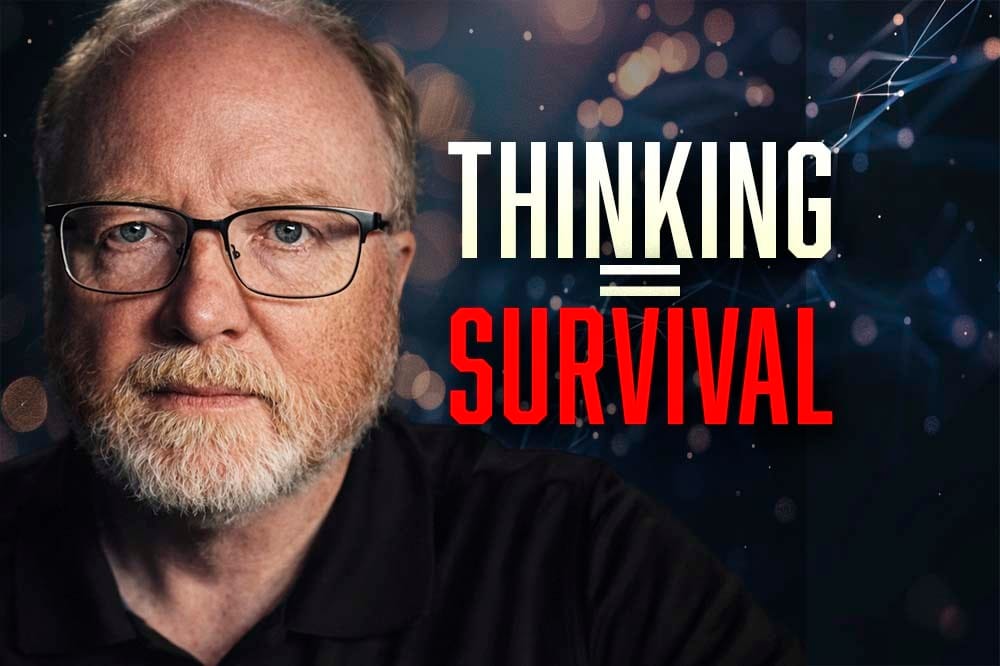
That moment stuck with me. When AI exploded onto the scene—when everyone suddenly had a machine that could generate answers instantly—it became clear: thinking for yourself isn't just valuable anymore. It's survival.
That's what Part One was about. The Foundations. Building your thinking toolkit.
So what's next? For the next few weeks—nothing.
We're taking a breather for the holidays. I'm going to spend time with my wife, my kids, my grandkids.
We'll be back in early January. And if you're heading to CES in Las Vegas that first week—let me know. I'd love to meet up.
But before I go, I have a question for you.
Should there be a Part Two?
I have ideas. If Part One was about building your toolkit, Part Two could be about what happens when you have to use it. Because knowing how to think and making good decisions aren't the same thing. Real decisions happen when you're tired. When you're stressed. When your own brain is working against you.
Part Two could be about that gap—between knowing and doing.
But I want to hear from you first. Should I do it? What topics would you want covered? What questions are you wrestling with?
Post a comment. If you're a paid subscriber on Substack, send me a DM—I read those.
And speaking of paid subscribers—that's the best way to support the team that makes this happen. Twenty-one years of showing up doesn't happen alone.
You can also visit our store at innovation DOT tools for merch, my book, and more.
Part One is done. The holidays are calling.
Thank you for making this series land the way it did.
See you in January.
I'm Phil McKinney. Take care of yourselves—and each other.
Listen to this week's show: Thinking 101: A Pause, A Reflection, And What Might Come Next
Get the tools to fuel your innovation journey → Innovation.Tools https://innovation.tools
[irp posts="4392" name="Subscribe to Podcast"]