Are you ready to compete in the creative economy?
Just do a quick comparison of the market value to the book value for public U.S. companies over the last two decades and you will see the dramatic upward rise in value attributed to intangibles – ideas, innovations. In this new world, wealth creation is dependent upon the capacity of a nation to con

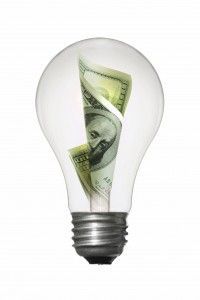
Just do a quick comparison of the market value to the book value for public U.S. companies over the last two decades and you will see the dramatic upward rise in value attributed to intangibles – ideas, innovations.
In this new world, wealth creation is dependent upon the capacity of a nation to continually create ideas. In short, a nation without a vibrant creative labor does not possess the knowledge base to succeed in the creative economy, and must depend on ideas produced elsewhere.
The creative economy is a new world in which people work with their brains instead of their hands. A world in which communications technology creates global competition. A world in which innovation is more important than mass production. A world in which investment buys new concepts or the means to create them, rather than new machines.
The new economy demands different skills from its workers. As the economy churns (thanks to that global marketplace), it puts a higher premium on creativity and the capacity for innovation. A well-known formulation of this argument comes from Robert Reich (1991), who argues that the economic well-being of countries depends on individual skills rather than the profitability of corporations. In particular, to ensure that people do well requires the right kind of investment in training. The skills of “symbolic analysts” (as opposed to routine producers or providers of in-person services) are most in demand in the new economy. We should therefore be making sure people acquire those skills
It’s not bad for a career either. Data shows that people who work in creative occupations earn an average of $20,000 a year more than those in non-creative jobs. But most of us don’t view ourselves as being highly creative. We lack self confidence that we are ready to compete in this new economy.
Why?